Resources
Knowledge Center
Here, you can access research results, reports, educational content, and publications related to the Renewable Energy Authority! This section provides valuable resources for you.
Types of Renewable Energy
Solar Energy
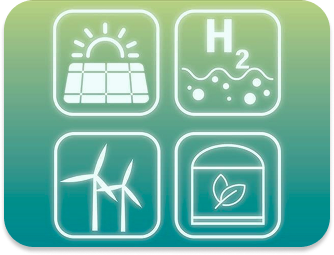
Solar energy is one of the most important sources of renewable energy. It harnesses sunlight using various technologies like photovoltaic panels. Solar energy contributes to providing clean and sustainable electricity and is an ideal option for direct heating and electricity generation.
Wind Energy
Wind energy is derived from the natural movement of the wind using specialized turbines, which convert kinetic energy into electricity. Wind energy helps reduce reliance on fossil fuels and is considered an abundant and renewable energy source.
Green Hydrogen
Green hydrogen is a clean fuel produced through the process of electrolysis, where hydrogen is separated from oxygen in water using renewable energy. This type of hydrogen provides an effective solution for energy storage.
Blue Hydrogen
Blue hydrogen is produced from natural gas through a complex chemical process, making it an important option for use in fuel cells, with reduced carbon emissions.
Global and Arab Energy Market Report: A Comprehensive Vision from the Renewable Energy Authority in Libya
Renewable energy is one of the key pillars for achieving sustainable development in Libya, especially given the current environmental and economic challenges. The Renewable Energy Authority aims to promote the use of clean energy sources, contributing to the achievement of sustainable development goals and ensuring energy security in the country.
Renewable Energy Prices in Arab Countries
Reports indicate a decline in the cost of generating electricity from renewable energy sources in Arab countries, paving the way for Libya to invest in solar and wind energy projects. These projects are a crucial step toward achieving environmental and economic sustainability.
In conclusion, enhancing the use of renewable energy in Libya is an urgent necessity for achieving sustainable development. The Renewable Energy Authority aims to balance supply and demand, contributing to energy sustainability and ensuring a bright future for future generations.
Market Studies
Studying the global renewable energy markets requires a deep understanding of the economic, regulatory, and environmental factors influencing the sector. These market studies aim to provide accurate insights into current and future trends, opening new avenues for investments and innovations in the energy field.
Importance of Market Studies
Market studies are a vital tool for understanding the needs and requirements of both the local and global renewable energy markets. These studies help analyze data and information related to customers and competitors, supporting strategic decision-making to achieve national goals.
Global Oil and Natural Gas Markets
Global oil and natural gas markets are undergoing continuous changes due to challenges faced by the energy industry. With the increasing demand for renewable energy, investing in these sources becomes essential to ensure energy sustainability in Libya.
Future Projections and Trends
Projections indicate a global shift towards reducing reliance on fossil fuels and increasing the use of renewable energy. This transformation presents a significant opportunity for Libya to develop its renewable energy sector and enhance its role in the national economy.
Global Renewable Energy Markets
Global renewable energy markets are experiencing noticeable growth, relying on natural sources such as wind and solar. The Renewable Energy Authority in Libya seeks to benefit from these trends to enhance the use of clean energy and reduce negative environmental impacts.
Global Energy Organizations
Several organizations work towards stabilizing energy markets and supporting innovations in the field. The Renewable Energy Authority collaborates with these organizations to bolster its efforts in achieving environmental and developmental goals in Libya.
The Path to Energy Efficiency in Libya: National Strategy 2023-2035
Achieving energy efficiency is one of the key pillars of Libya's Renewable Energy and Energy Efficiency Strategy (NSREEE) for the period 2023-2035. Given the current economic conditions, energy efficiency is essential for improving the country's economic and environmental situation.
Importance of Energy Efficiency
Energy efficiency helps reduce energy costs and improves the performance of various sectors, including industry, agriculture, and services. According to the strategy, it is expected that savings of up to 15% of total electricity consumption will be achieved by 2028 through the implementation of energy efficiency initiatives.
Key Initiatives
The strategy includes several initiatives to enhance energy efficiency, such as:
High-Efficiency Lighting Program: This involves replacing traditional light bulbs with LED bulbs, which contributes to reducing energy consumption.
Solar Water Heating Program: Aims to encourage the use of solar water heaters in homes, thereby reducing reliance on electricity for water heating.
Appliance Efficiency Evaluation Program: Involves labeling electrical appliances to indicate their energy efficiency, helping consumers make informed decisions.
Challenges
Despite the significant benefits, Libya faces challenges in implementing energy efficiency, including:
Subsidized Energy Prices: Low energy prices provide insufficient incentives to encourage investments in energy efficiency.
Lack of Financing: Energy efficiency projects require sustainable financing to be effective.
Future Opportunities
The strategy can create new job opportunities and enhance economic growth by encouraging investments in energy efficiency projects. Additionally, cooperation with international institutions can help secure technical and financial support. In conclusion, energy efficiency is a vital component for achieving sustainable development in Libya. By implementing the national strategy, awareness of the importance of energy efficiency can be enhanced, leading to significant economic and environmental benefits.
In conclusion, the National Renewable Energy and Energy Efficiency Strategy is a crucial step toward achieving sustainable development in Libya. By promoting the use of clean energy sources, Libya can enhance its energy independence and achieve substantial economic and social benefits.

Promoting Renewable Energy in Libya: Strategy 2023-2035
Renewable energy is one of the fundamental solutions to address the environmental and economic challenges facing Libya. According to the National Renewable Energy and Energy Efficiency Strategy (NSREEE) for the period 2023 to 2035, Libya aims to exploit its rich natural resources, such as solar and wind energy, to generate clean power
More ↗